Showing posts with label bats. Show all posts

Monday, October 11, 2021

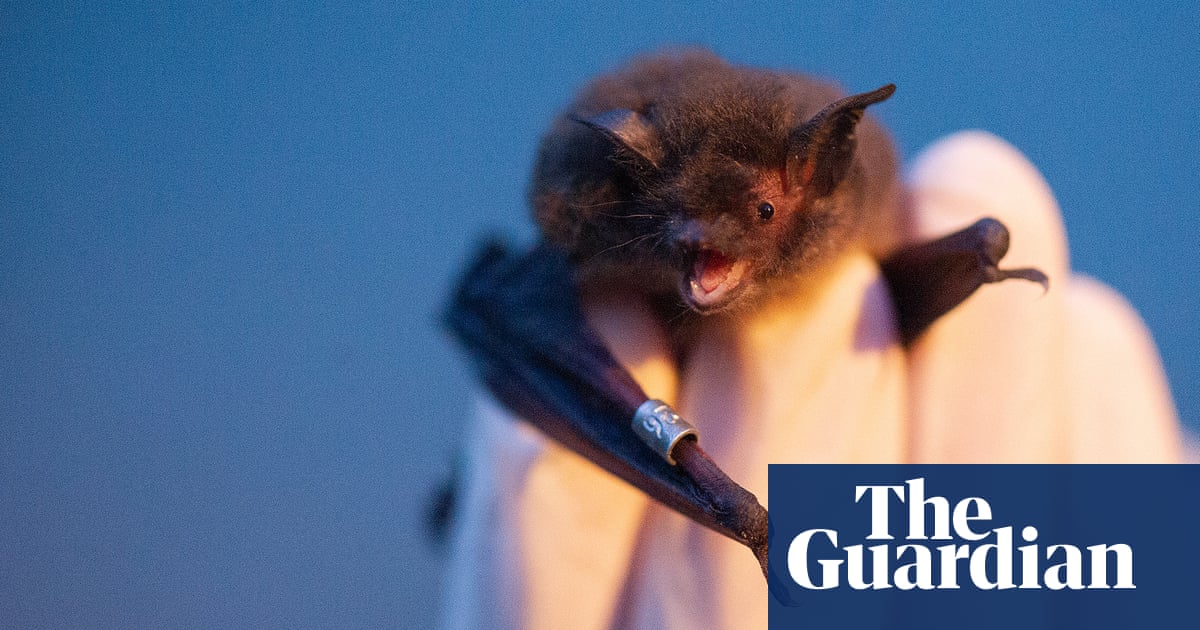
Consternation in New Zealand as native bat included in bird of the year poll

1970.jpg?width=1200&height=630&quality=8

Winged mammal is the first non-bird to be included in the beloved annual poll, which has been running for 16 years

New Zealand’s bird of the year competition has been hit with a flurry of controversy, after a species of native bat was granted entry into the polls.

Candidates for the beloved annual election released today included shock newcomer the long-tailed bat, or pekapeka-tou-roa. It is the first time a New Zealand native land mammal has been included in the competition, which has been running for 16 years.

Continue reading…

Source: https://www.theguardian.com/world/2021/oct/11/consternation-in-new-zealand-as-native-bat-included-in-bird-of-the-year-poll
Droolin’ Dog sniffed out this story and shared it with you.
The Article Was Written/Published By: Tess McClure in Christchurch


! #Headlines, #Animals, #Birds, #Newsfeed, #NewZealand, #Science, #Trending, bats, #News, #Politics

Monday, May 31, 2021

Genetic tricks of the longest-lived animals

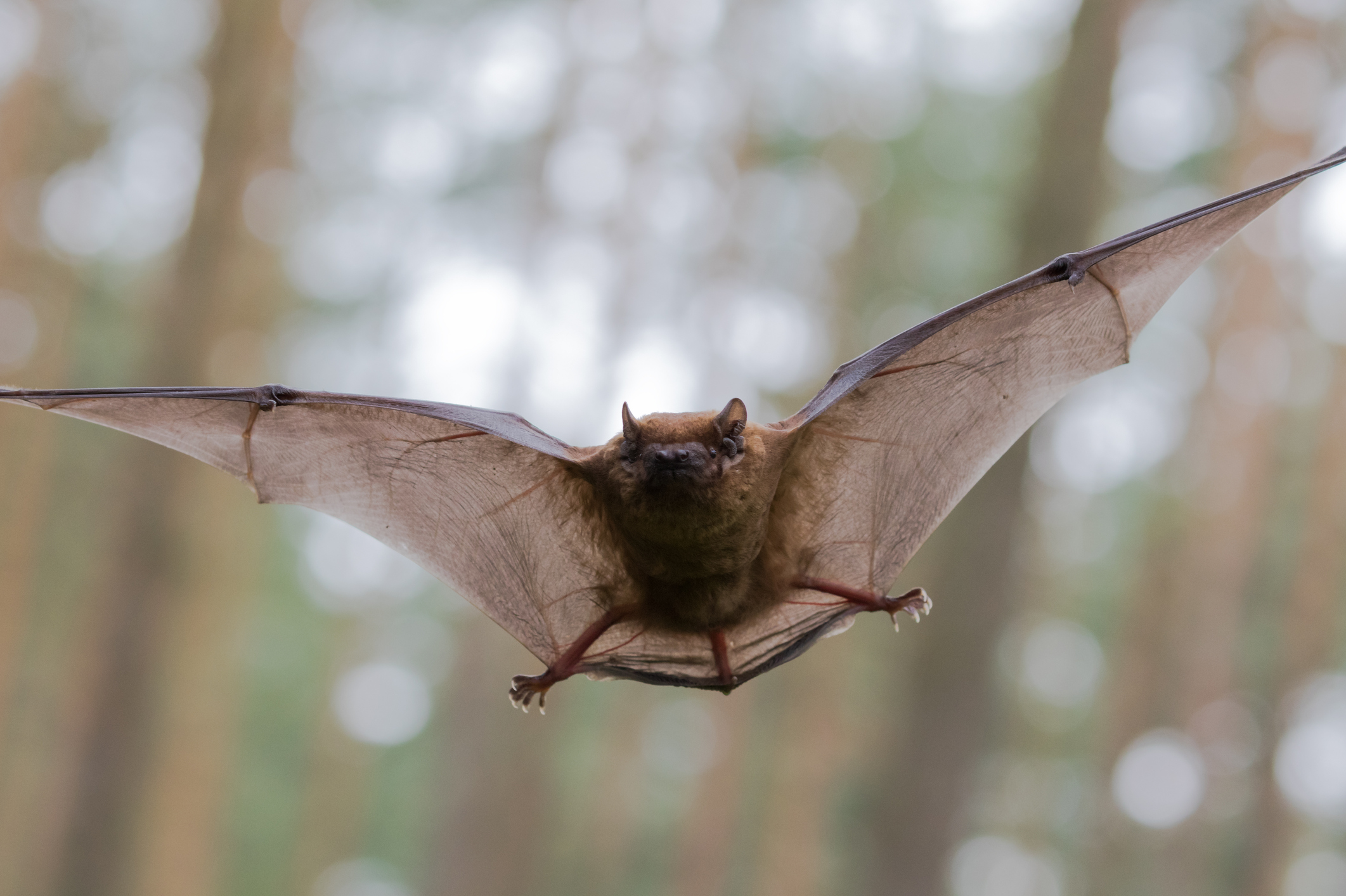
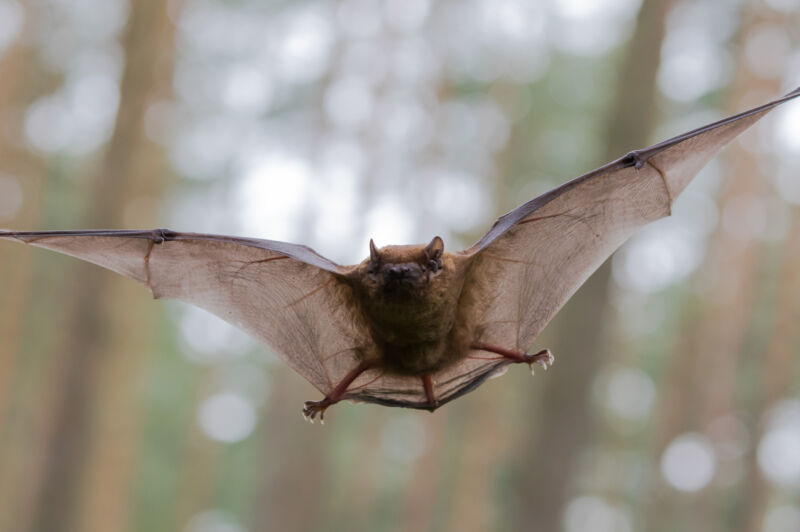
Image of a bat in flight

Enlarge / Bats, remarkable little things. (credit: Bernd Wolter / EyeEm)

Life, for most of us, ends far too soon—hence the effort by biomedical researchers to find ways to delay the aging process and extend our stay on Earth. But there’s a paradox at the heart of the science of aging: The vast majority of research focuses on fruit flies, nematode worms and laboratory mice, because they’re easy to work with and lots of genetic tools are available. And yet, a major reason that geneticists chose these species in the first place is because they have short lifespans. In effect, we’ve been learning about longevity from organisms that are the least successful at the game.

Today, a small number of researchers are taking a different approach and studying unusually long-lived creatures—ones that, for whatever evolutionary reasons, have been imbued with lifespans far longer than other creatures they’re closely related to. The hope is that by exploring and understanding the genes and biochemical pathways that impart long life, researchers may ultimately uncover tricks that can extend our own lifespans, too.

Everyone has a rough idea of what aging is, just from experiencing it as it happens to themselves and others. Our skin sags, our hair goes gray, joints stiffen and creak—all signs that our components—that is, proteins and other biomolecules—aren’t what they used to be. As a result, we’re more prone to chronic diseases such as cancer, Alzheimer’s and diabetes—and the older we get, the more likely we are to die each year. “You live, and by living you produce negative consequences like molecular damage. This damage accumulates over time,” says Vadim Gladyshev, who researches aging at Harvard Medical School. “In essence, this is aging.”

Read 21 remaining paragraphs | Comments

index?i=tRFb9DuLTqc:n3ujrDsac8g:V_sGLiPB index?i=tRFb9DuLTqc:n3ujrDsac8g:F7zBnMyn index?d=qj6IDK7rITs index?d=yIl2AUoC8zA

Source: https://arstechnica.com/science/2021/05/genetic-tricks-of-the-longest-lived-animals/
Droolin’ Dog sniffed out this story and shared it with you.
The Article Was Written/Published By: Ars Staff


! #Headlines, #Animals, #Health, #Newsfeed, #Science, #TechNews, bats, #News

Saturday, March 13, 2021

Hot houses: the race to save bats from overheating as temperatures rise

2001.jpg?width=1200&height=630&quality=8

Chimneys for bat boxes and a flying fox heat stress forecaster are among efforts to prevent deaths from effects of climate crisis

Steve Latour and his wife were enjoying their usual early morning coffee in the sun outside their lake house in the Kootenay region of British Columbia when they heard noises coming from the bat box attached to the side of the house. Every summer, about 150 Yuma myotis bats return to the box, using it as a maternity colony to give birth to pups and take care of them until they are ready to leave for hibernation in the autumn.

Continue reading…

Source: https://www.theguardian.com/environment/2021/feb/24/race-to-save-bats-flying-foxes-from-overheating-as-temperatures-rise-aoe
Droolin’ Dog sniffed out this story and shared it with you.
The Article Was Written/Published By: Isabelle Groc


! #Headlines, #Animals, #Coffee, #Environment, #Newsfeed, #Science, #Trending, bats, #News, #ThePlanet

Wednesday, July 22, 2020

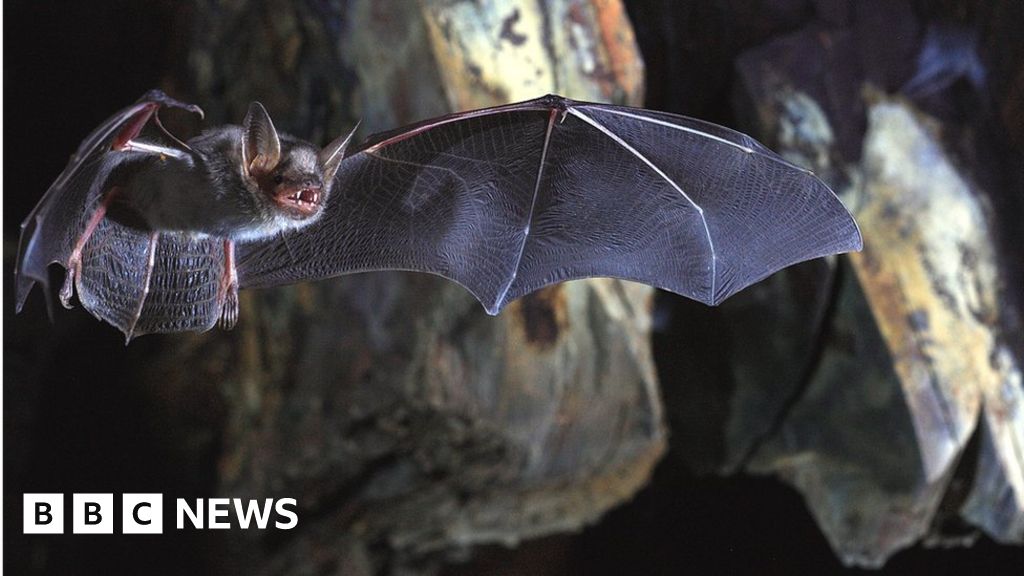
Coronavirus: Cracking the secrets of how bats survive viruses

_113568316_greatermouse-earedbat_olivier

Bats’ codes of life contain genetic clues to their “exceptional immunity”, which protects them from viruses.

Source: https://www.bbc.co.uk/news/science-environment-53494566
Droolin’ Dog sniffed out this story and shared it with you.
The Article Was Written/Published By:


! #Headlines, #Animals, #Newsfeed, #Science, #TechNews, bats, #Coronavirus, #Health, #News, #UK, #WorldNews