Showing posts with label #Recycling. Show all posts

Friday, September 10, 2021

California Law Will No Longer Allow Companies to Slap the Recycling Symbol on Everything

74b53c6cdda55e58f49275a904f50d25.jpg

California wants to be the first state to prohibit companies from labeling their products as recyclable unless they can prove that the product is actually being recycled.

Read more…

Source: https://gizmodo.com/california-law-will-no-longer-allow-companies-to-slap-t-1847651712
Droolin’ Dog sniffed out this story and shared it with you.
The Article Was Written/Published By: Dharna Noor


! #Headlines, #California, #Conservation, #Environment, #Gizmodo, #Newsfeed, #Recycling, #TechNews, #ThePlanet, #News

Thursday, July 15, 2021

Maine shifting recycling costs to companies

recycle_1.jpg

Maine Gov. Janet Mills (D) has signed into law legislation to make the state the first in the country to shift recycling costs from taxpayers to packing manufacturers. …

Source: https://thehill.com/policy/energy-environment/562938-maine-shifting-recycling-costs-to-companies
Droolin’ Dog sniffed out this story and shared it with you.
The Article Was Written/Published By: Celine Castronuovo


! #Headlines, #BusinessNews, #Environment, #Government, #Maine, #Newsfeed, #Political, #Recycling, #News, #ThePlanet

Tuesday, May 18, 2021

The US exports its plastic waste. But now other countries are rejecting it.

When it comes to plastic, recycling has almost always been a lie. But that guilt-free plastic consumption is so built into our infrastructure and way of life that we keep insisting on living that lie anyway. In truth, less than 10% of plastic has ever been recycled, because the process involved is just too expensive. — Read the rest

Source: https://boingboing.net/2021/05/18/the-us-exports-its-plastic-waste-but-now-other-countries-are-rejecting-it.html?utm_source=rss&utm_medium=rss&utm_campaign=the-us-exports-its-plastic-waste-but-now-other-countries-are-rejecting-it
Droolin’ Dog sniffed out this story and shared it with you.
The Article Was Written/Published By: Thom Dunn


! #Headlines, #Newsfeed, #Random, #Recycling, #ThePlanet, #News, #Politics

Saturday, May 8, 2021

How to Recycle

Recycling is one of the easiest and most productive ways that you can help make the planet a better place. While it may feel overwhelming at first, recycling is easy, and it’s not hard to make it a part of your normal routine. Keep in mind, if you’re not sure if something is recyclable or not, you can always contact your local government to ask if you’re allowed to toss something in your recycling bin. Alternatively, you can always reach out to a local recycling facility directly to see if you can drop something off on your own.

[Edit]Steps

[Edit]Local laws

  1. Go online to find the recycling guidelines in your city and state. Every region has different rules when it comes to what they will and won’t take when it comes to recycling. Many cities and states also have unique rules when it comes to recycling specific items, like batteries or electronics. It’s even illegal to not recycle in certain areas, so look it up![1]
    Recycle Step 1 Version 7.jpg
    • If you can’t find any information online, feel free to call your local sanitation department to find out where you can find more information.

[Edit]Sorting

  1. Double-check to make sure sorting isn’t required where you live. Some recycling plants will sort your recyclables for you, but occasionally, local laws will require you to sort the materials yourself. Typically, you’ll need to keep paper and plastic separated, but the requirements are different everywhere. Make sure you check on this when you look up the local laws.[2]
    Recycle Step 2 Version 7.jpg
    • Even if it isn’t required, do your best to keep similar items together to make things easier for the recycling facility. Stack cardboard on top of other cardboard, and keep your aluminum cans in the same portion of the bin.

[Edit]Container

  1. If your city doesn’t provide recycling containers, get one yourself. Whenever your recycling bin gets picked up, check the container to see if there’s any residue or waste. If there is, clean the container out with water. If any non-recyclable material gets on your otherwise-clean recyclables, the plant won’t be able to process your stuff![3]
    Recycle Step 3 Version 7.jpg
    • You aren’t always going to get it perfect. There are probably going to be times when you accidentally put something in the recycling bin that isn’t supposed to be there, so always check your bin after it gets picked up and don’t beat yourself up if you make a mistake!

[Edit]Paper

  1. Recycling paper products is a great way to preserve resources. The vast majority of paper products are recyclable, so don’t throw out your newspapers and old notebooks! If you’re looking to take your carbon footprint even lower, you can even purchase goods made entirely with recycled paper. You can recycle everything from printer paper to egg cartons and lawn signs.[4]
    Recycle Step 4 Version 6.jpg
    • Most paper products can be recycled. Magazines, colored paper, newspaper, and phone books can all be recycled.[5] Most recycling plants can even take stapled paper and spiral notebooks, and sticky notes.[6]
    • If you have gift wrap that has a shiny, laminated texture, it probably can’t be recycled. You likely won’t be able to recycle anything that held liquid, paper towels, or paper that has been coated in plastic.[7]
    • If you’re recycling cardboard boxes or paper bags, flatten and stack them to make them easier to process.
    • Shredded paper or paper that has been exposed to liquids of any kind cannot be recycled. With that said, some municipalities may still take these products and separate what’s recyclable from what isn’t. You should check you’re your local government, though.[8]

[Edit]Plastic

  1. Check the symbol printed on plastics to see if they’re recyclable. The number inside of the triangle on plastic goods is the resin number, and it tells you what kind of plastic the material is made out of. Most municipalities will accept some of these plastics, while others are rarely recyclable.[9]
    Recycle Step 5 Version 7.jpg
    • Plastics with a 1, 2, or 5 on them are almost always recyclable. So long as they aren’t contaminated, go ahead and throw them in the recycling bin.
    • Number 3 plastic, which is PVC, and number 7 plastic, which is a miscellaneous category, are rarely recyclable. Check with your local government or recycling service to see if they’ll take these.
    • Plastics with a 4, 6 on them are occasionally recyclable, but it really depends on where you live.
    • A few plastic items seem like they’d be recyclable, but aren’t. Plastic bags, straws, disposable cups, and tissue boxes can’t be processed.[10]

[Edit]Glass

  1. Glass can be recycled over and over again, so don’t trash it! Glass is one of the few materials that can basically be infinitely recycled. The major barrier here is that people tend to throw out bottles and glasses without rinsing them out first, which leads to many issues with contamination.[11] You don’t need to scrub every single item with soap, but rinsing out any glasses will ensure that they get recycled.[12]
    Recycle Step 6 Version 6.jpg
    • In some states, you can make money by turning your glasses into a collection center.
    • The one exception here is broken glass. It poses a hazard to sanitation workers, and it’s extremely difficult to process. Throw out any broken glass.[13]
    • If the glass had any oil or hazardous residue on it, play it safe by throwing it out. You may end up contaminating other materials if you toss it in the recycling bin.

[Edit]Metal

  1. So long as it’s clean, you can recycle basically any metal. Aluminum foil, metal tools, and metal pots can all be recycled. Aerosol cans can be recycled as well, so long as you’ve emptied them out entirely by pressing the nozzle. If you’re getting rid of empty cans that used to store food, rinse them out under water before placing them in the bin.[14]
    Recycle Step 7 Version 6.jpg
    • If the metal is sharp or damaged in a way where someone may cut themselves, don’t put it in your recycling bin.
    • The only metals that can’t be recycled are metals that contain mercury (like metal thermometers), and metals with cathodes ray tubes in them, which are found in old TVs and computers.[15]
    • Metals with some kind of electrical wiring, like a dryer or iPod, are usually not recyclable. These products can often be taken apart for scrap though, so check with your local recycling center or scrapyard.

[Edit]Batteries

  1. Most batteries are recyclable, but they typically must be separated. Many areas have computer or big box stores with bins for battery recycling. In some municipalities, you can set them out for curbside pickup so long as they’re in a separate container. If you’re recycling standard disposable batteries, put a strip of electrical tape on each of the leads or put them in a plastic bag to keep them from accidentally conducting electricity.[16]
    Recycle Step 8 Version 6.jpg
    • You can find a recycling center or drop-off location for batteries in the United States by visiting http://www.call2recycle.org/. There are also mail-in services you can use to ship your batteries to a recycling center meant specifically for this.[17]
    • The process for recycling rechargeable batteries or car batteries is kind of complicated. For anything outside of those basic batteries that go in your remote, contact your local government or recycling plant to see where you can take them.[18]

[Edit]Electronics

  1. Most areas have specific collection days for electronics. You may be able to put smaller electronics directly in the bin, but it’s worth calling your local government or recycling plant to get more info. Electronics are usually taken apart to retrieve the plastics or metals that can be recycled, so don’t assume that old phone or laptop needs to go in the trash![19]
    Recycle Step 9 Version 6.jpg
    • You can often recycle TVs, computers, cameras, drones, musical equipment, printers, and speakers.[20] Just make sure that you remove any batteries before setting them out.[21]
    • You may need to arrange for large appliances to be picked up by a junk removal service.
    • You can always donate old electronics. A lot of nonprofit organizations and schools will accept things like old computers.[22]
    • If you’re getting rid of a computer or phone, be sure to wipe it of any personal information before you throw it out.[23]

[Edit]Printer cartridges

  1. Drop your old cartridges off at a drop-off location for recycling. If an ink or toner cartridge is at the end of its life, call your local office supply store. The vast majority of office supply stores will accept old printer cartridges. Most printer manufacturers will recycle your cartridges if you mail them out as well.[24]
    Recycle Step 10 Version 6.jpg
    • You can actually refill ink and toner cartridges a few times before you need to dispose of them, so do that to reduce waste if you can!
    • Ink and toner cartridges aren’t exceptionally difficult to recycle, but most people just toss them out because they don’t know they can be processed![25]

[Edit]Oil

  1. Contact your local government or waste management company to dispose of oil. It can be recycled, but it’s requires a unique process. It’s really important that you don’t pour oil down the drain or in the gutter, though. Oils also contaminate basically everything they come in contact with, which can make incinerating rubbish and recycling other goods impossible, so keep spent oil separate and get rid of it responsibly.[26]
    Recycle Step 11 Version 6.jpg
    • Spent oil can also contaminate water supplies, since it’s so difficult to get it out of water.[27]

[Edit]Hazardous waste

  1. Fuels, acids, and chemicals can be recycled, but only at special sites. If you’ve got a spent container of paint thinner or weed killer, it can almost certainly be recycled. Unfortunately, this kind of stuff can’t go in your typical recycling bin.[28] Contact your local government to find out how you can recycle these items. In some cases, you may need to drop them off at a recycling plant designed specifically for hazardous waste. Examples of these kind of products include:[29]
    Recycle Step 12 Version 6.jpg
    • Cleaning products, like oven cleaner or rust remover, and home improvement goods, like solvents and paint.
    • Anything containing mercury, like thermometers and fluorescent lights.
    • Automotive materials, like fuel, antifreeze, and filters.
    • Needles, syringes, and medicine.

[Edit]Contaminated recyclables.

  1. Keep your recyclables separated and clean to avoid contamination. If you toss a greasy pizza box in your unblemished container full of clean plastic bottles, you may make it impossible for those bottles to be recycled. If there is any food waste, oil residue, or paint on your item, just throw it out. When your items are collected, they may mix with other items and lead to further contamination at the plant.[30]
    Recycle Step 13 Version 6.jpg
    • Food, alcohol, wood, clothing, lighting, tires, concrete, and foam are the most common contaminants. These items can render your entire bin unrecyclable, so just throw them out.
    • If you’re in doubt about whether something is clean enough to be recycled, throw it in the garbage just to play it safe. The risk is rarely worth it.

[Edit]Unrecyclable goods

  1. There are a handful of goods that seem recyclable, but aren’t. Tossing these usual suspects in your recycling bin can make things difficult for your local recycling plant, since they’ll need to be separated from the other goods in your bin. On top of that, you may end up contaminating your other items. Usual suspects include:[31]
    Recycle Step 14 Version 6.jpg
    • Packing peanuts, Styrofoam, and plastic utensils.
    • Ceramic cookware and insulated coffee cups.
    • Bubble wrap, shower curtains, and liners.
    • Laminated packaging, toys, and mirrors.

[Edit]Tips

  • Some cities and towns require you to sort your recyclables ahead of time. If this is the case where you live, it helps to label each of your recycling bins to avoid accidentally contaminating items in-between pickups.

[Edit]Related wikiHows

[Edit]References

[Edit]Quick Summary

  1. https://portal.ct.gov/DEEP/Reduce-Reuse-Recycle/Recycling-Its-the-Law
  2. https://recyclingpartnership.org/communitiesforrecycling/recycling-how-it-works/
  3. https://www.forbes.com/sites/jeffkart/2019/04/15/you-may-be-contaminating-your-recycle-bin-with-non-recyclables/?sh=65aa2cb3313c
  4. https://www.epa.gov/recycle/how-do-i-recycle-common-recyclables
  5. https://pw.lacounty.gov/general/faq/index.cfm?8707=8707&Action=getAnswers&FaqID=JCFdIzRSMCAgCg%3D%3D&Keywords=1
  6. https://earth911.com/business-policy/business/paper-recycling-details-basics/
  7. https://earth911.com/business-policy/business/paper-recycling-details-basics/
  8. https://www2.montgomerycountymd.gov/DepHowDoI/material.aspx?tag=paper&material_key=24
  9. https://www.epa.gov/recycle/how-do-i-recycle-common-recyclables
  10. https://www.theguardian.com/environment/2018/mar/16/which-items-cant-be-recycled-plastic-bags-coffee-cups
  11. https://cen.acs.org/materials/inorganic-chemistry/glass-recycling-US-broken/97/i6
  12. https://recyclecoach.com/residents/blog/is-broken-glass-recyclable/
  13. https://www.apartmenttherapy.com/recycling-broken-glass-265068
  14. [v161055_b03]. 28 June 2019.
  15. http://lessismore.org/materials/14-metal/
  16. https://www.dep.pa.gov/Business/Land/Waste/Recycling/PublicResources/Pages/HouseholdBatteries.aspx
  17. https://www.insider.com/things-that-dont-belong-in-recycling-2018-4#mirrors-7
  18. https://www.instituteforenergyresearch.org/renewable/the-afterlife-of-electric-vehicles-battery-recycling-and-repurposing/
  19. https://www.consumerreports.org/recycling/how-to-recycle-electronics/
  20. https://www.recyclemyelectronics.ca/on/what-can-i-recycle/
  21. https://www.epa.gov/recycle/electronics-donation-and-recycling
  22. [v161055_b03]. 28 June 2019.
  23. https://www.consumerreports.org/computers/how-to-wipe-a-computer-clean-of-personal-data/
  24. [v161055_b03]. 28 June 2019.
  25. https://eponline.com/articles/2007/11/12/tips-top-ten-ways-to-recycle.aspx
  26. https://www.epa.gov/recycle/how-do-i-recycle-common-recyclables
  27. https://www.epa.gov/recycle/how-do-i-recycle-common-recyclables#oil
  28. https://www.epa.gov/hw/hazardous-waste-recycling
  29. https://www.ramseycounty.us/residents/recycling-waste/collection-sites/household-hazardous-waste
  30. https://www.epa.gov/recycle/frequent-questions-recycling
  31. https://www.theguardian.com/environment/2018/mar/16/which-items-cant-be-recycled-plastic-bags-coffee-cups

Source: https://www.wikihow.com/Recycle
Droolin’ Dog sniffed out this story and shared it with you.
The Article Was Written/Published By:


! #Headlines, #Coffee, #HowTo, #Newsfeed, #Random, #Recycling, #Sustainability, #TechTips, #ThePlanet, #Health, #News

Tuesday, February 9, 2021

Refreshing: Coca-Cola introduces 100% recycled bottles in the US

cocacola.jpg?resize=1200%2C630

The new bottles will cut the company’s use of new plastic by over 20 percent in North America compared to 2018, it said.

Source: https://www.aljazeera.com/economy/2021/2/9/refreshingcoca-cola-introduces-100-recycled-bottles-in-the-us
Droolin’ Dog sniffed out this story and shared it with you.
The Article Was Written/Published By:


! #Headlines, #BusinessNews, #Environment, #Food, #Newsfeed, #Political, #Recycling, #Sustainability, #News

Monday, February 1, 2021

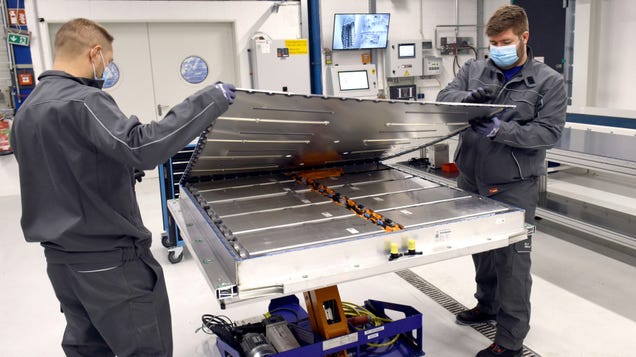
EVs Are Gaining Steam. Here’s What Will Happen To All Those Dead Batteries

x5brldj1nephcw7tazjd.jpg

Volkswagen announced a pilot program for EV battery recycling in Salzgitter, Germany, and it’s about time one of the biggest carmakers started addressing the inevitable EV question: What about the batteries?

Read more…

Source: https://jalopnik.com/evs-are-gaining-steam-heres-what-will-happen-to-all-th-1846172272
Droolin’ Dog sniffed out this story and shared it with you.
The Article Was Written/Published By: José Rodríguez Jr. on Jalopnik, shared by Brian Kahn to Gizmodo


! #Headlines, #Cars, #ElectricVehicles, #Gizmodo, #Newsfeed, #Recycling, #TechNews, #TechnologyNews, #ThePlanet, #News, #WorldNews

Thursday, January 14, 2021

How China ended the lie of recyclable plastic

The plastics industry did a great job of convincing everyone that their product was easily recyclable, but China finally put an end to that pleasant fiction in 2017.

A 2017 memo sent by China to the World Trade Center sent the global recycling industry into a tailspin. — Read the rest

Source: https://boingboing.net/2021/01/14/how-china-ended-the-lie-of-recyclable-plastic.html
Droolin’ Dog sniffed out this story and shared it with you.
The Article Was Written/Published By: Andrea James


! #Headlines, #China, #Newsfeed, #Pollution, #Random, #Recycling, #ThePlanet, #News, #WorldNews

Friday, September 25, 2020

The problem with recycling? One word: Plastics

webp.net-resizeimage%20(10).jpg

No matter how well we sort, much of what we throw away cannot be reused.

Source: https://www.politico.eu/article/the-problem-with-recycling-one-word-plastics/
Droolin’ Dog sniffed out this story and shared it with you.
The Article Was Written/Published By: Eline Schaart


! #Headlines, #Conservation, #Environment, #Newsfeed, #Political, #Politico, #Politics, #Pollution, #Recycling, #ThePlanet, #Trending, plastic, #News

Friday, June 26, 2020

Why is UK recycling being dumped by Turkish roadsides?

_113099421_p08j02bn.jpg

The UK sends more plastic waste to Turkey than to any other country but not all of it reaches recycling plants.

Source: https://www.bbc.co.uk/news/av/uk-53181948/why-is-uk-recycling-being-dumped-by-turkish-roadsides
Droolin’ Dog sniffed out this story and shared it with you.
The Article Was Written/Published By:


! #Headlines, #Pollution, #Recycling, #TechNews, #UK, Turkey, #News, #Newsfeed, #ThePlanet, #WorldNews

Sunday, October 27, 2019

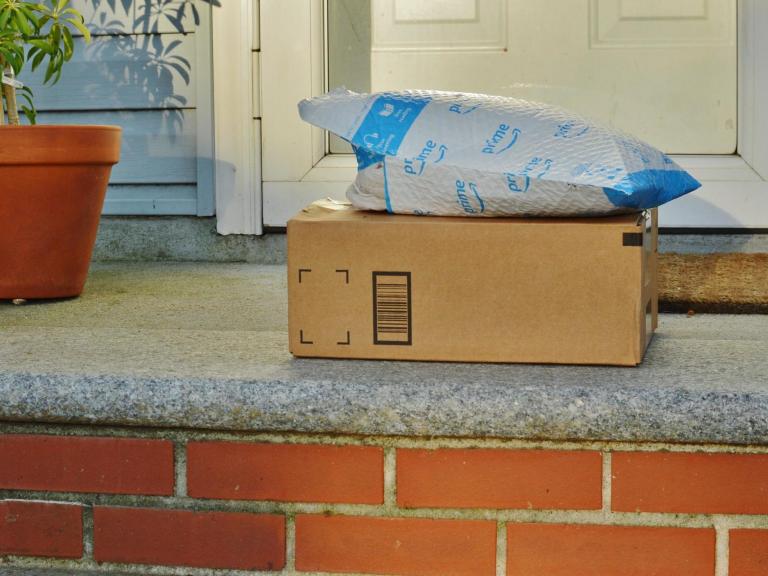
How to recycle all of your Amazon packaging

In Mashable’s series Wasted, we dig into the myriad ways we’re trashing our planet. Because it’s time to sober up.


Amazon has become an increasingly ubiquitous part of our lives, as more and more people receive weekly — and even daily — packages from the company. But as these packages pile up on doorsteps all over the world, a glaring issue has emerged: How do you recycle all those damn mailers?

Given the huge variety in packaging, the answer isn’t so clear. 

Amazon does have guidelines around the topic, but David Pinsky, a senior plastics campaigner at Greenpeace, doesn’t think they’re very useful.  Read more…

More about Amazon, Social Good, Waste, Sustainability, and Recycling

Source: https://mashable.com/article/how-to-recycle-amazon-packaging/
Droolin’ Dog sniffed out this story and shared it with you.
The Article Was Written/Published By: Siobhan Neela-Stock


! #Headlines, #Amazon, #environment, #Mashable, #Recycling, #TechNews, #ThePlanet, #Newsfeed, #syndicated, news

Tuesday, October 22, 2019

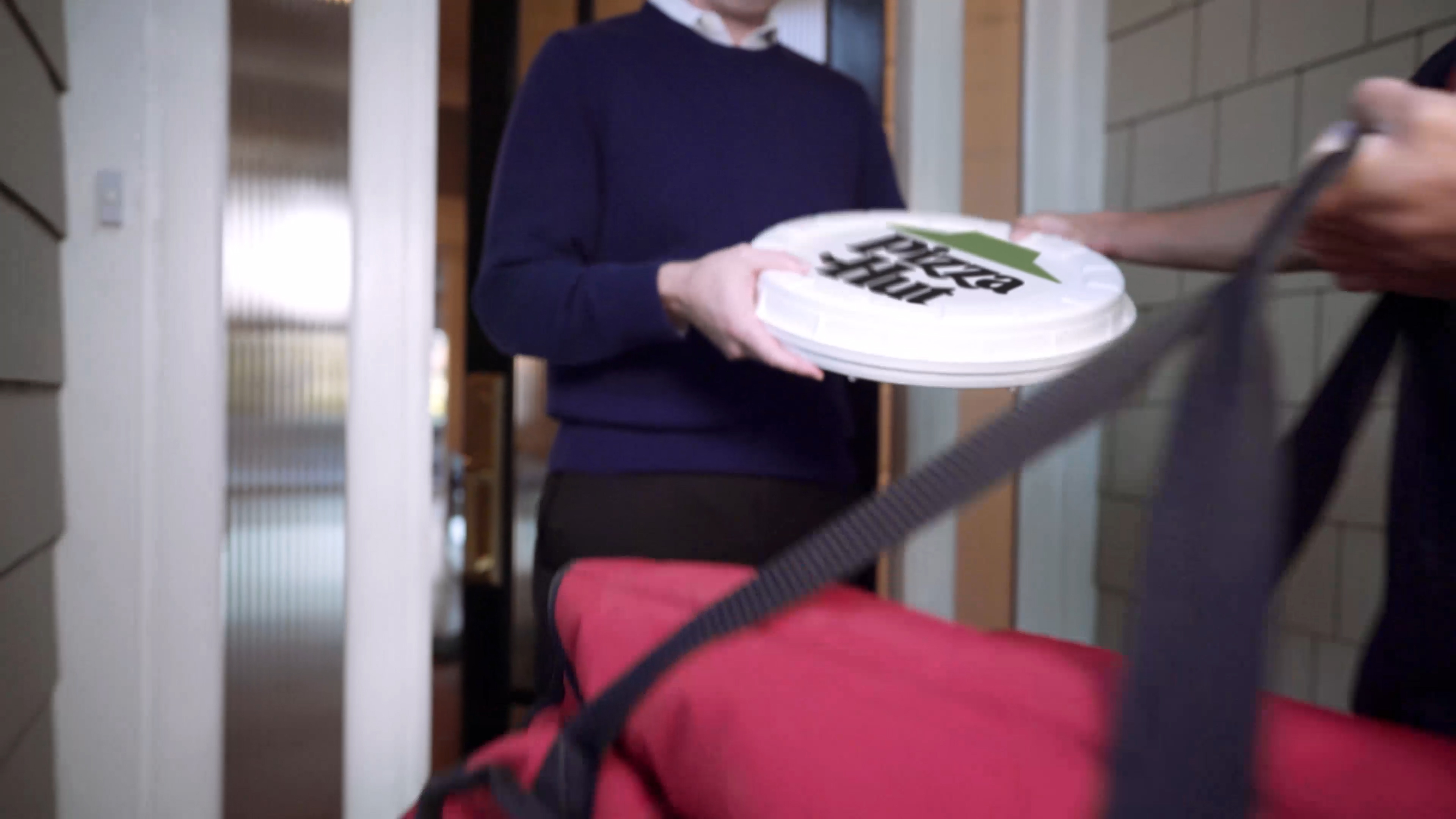
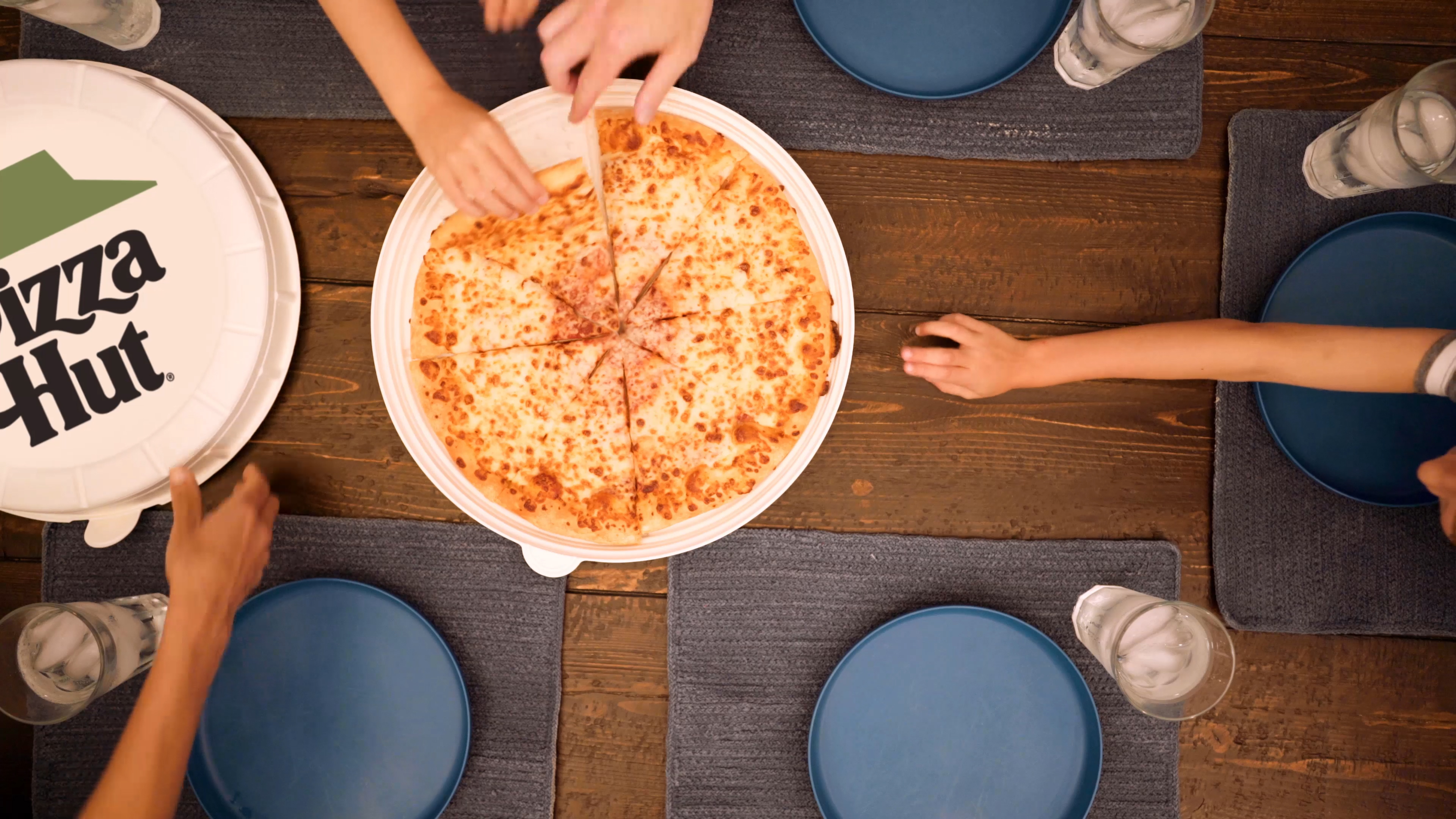
Pizza Hut is testing Zume’s compostable round boxes

Pizza Hut this morning announced plans to pilot Zume’s signature round pizza boxes. Testing for now will be extremely limited — in fact, it’s only happening at a single location in Phoenix, Ariz.

The boxes are one of a number of different technologies being pushed by the SF Bay startup. In fact, my recent conversation with Zume CEO Alex Garden quickly turned to the subject of pizza boxes.

Pizza Hut Zume Delivering the Round Box 04

“We did internet searches for two weeks trying to find packaging companies that made different pizza boxes and there really wasn’t very much out there, they’re almost all made by a small select group of companies that just repeat the same ideas over and over again,” he told me back in September. “So I said, wow that’s really weird. Okay, well, let’s just, we’re a startup, no one can tell us what the rules are. Why don’t we just get a white board and draw what a cool pizza box would be.”

Which is fair enough, I guess. And certainly there’s a lot to be said for a product that’s designed to be compostable, should it eventually be adopted by a massive chain with the scale of a Pizza Hut. For now, however, it seems the piloting is pretty limited in both time and scope. The same location will also be used to test a limited edition plant-based sausage topping by MorningStar.

Pizza Hut Zume Dinnertime the Round Box 02

Perhaps either or both will move beyond this limited publicity push. Certainly sustainable plant products and compatible packaging are steps in the right direction. It’s also another high-profile partnership for Zume, which recently announced that it will be licensing its food truck technology to the admittedly smaller-scale &Pizza chain.

Techcrunch?d=2mJPEYqXBVI Techcrunch?d=7Q72WNTAKBA Techcrunch?d=yIl2AUoC8zA Techcrunch?i=-u_WVDiPYHw:1Xhc1oLiL70:-BT Techcrunch?i=-u_WVDiPYHw:1Xhc1oLiL70:D7D Techcrunch?d=qj6IDK7rITs

Source: https://techcrunch.com/2019/10/22/pizza-hut-is-testing-zumes-compostable-round-boxes/
Droolin’ Dog sniffed out this story and shared it with you.
The Article Was Written/Published By: Brian Heater


! #Headlines, #BusinessNews, #Conservation, #environment, #Recycling, #TechCrunch, #TechNews, #ThePlanet, #Newsfeed, #syndicated, news

Tuesday, August 20, 2019

Amazon criticised for new non-recyclable packaging

istock-1150986721.jpg

‘Appalled that Amazon sent this to me today in a giant plastic envelope’

Source: https://www.independent.co.uk/life-style/amazon-packaging-non-recyclable-plastic-envelopes-environment-a9071626.html
Droolin’ Dog sniffed out this story and shared it with you.
The Article Was Written/Published By: Olivia Petter


! #Headlines, #Amazon, #Recycling, #Trending, #Newsfeed, #syndicated, news

Tuesday, August 13, 2019

Reusable cups could be worse for environment than disposable ones, expert says

istock-1157318605.jpg

‘Unavoidable truth is it simply isn’t convenient for people on the run to remember their cup’

Source: https://www.independent.co.uk/environment/reusable-cups-disposable-environment-carbon-emissions-throwaway-culture-a9054471.html
Droolin’ Dog sniffed out this story and shared it with you.
The Article Was Written/Published By: Phoebe Weston


! #Headlines, #Recycling, #ThePlanet, #Trending, #Newsfeed, #syndicated, news

Tuesday, August 6, 2019

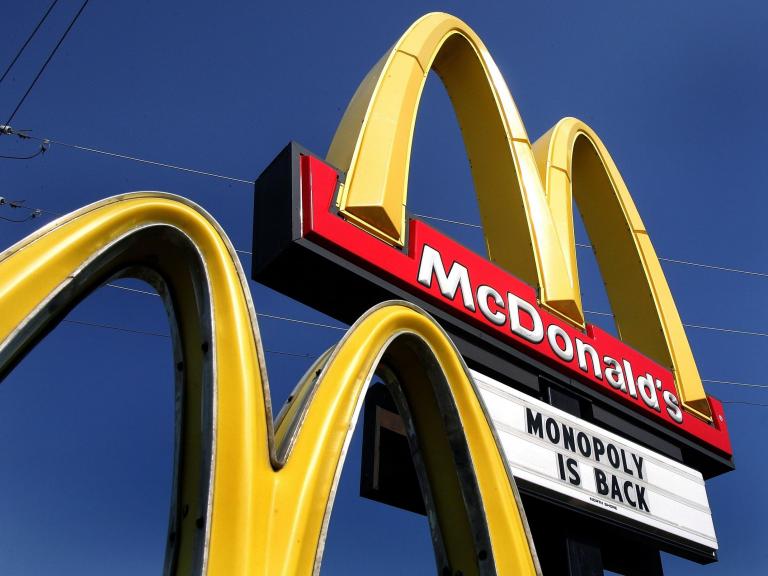
Of course McDonald's paper straws can't be recycled – it's yet another corporate green wash

mcdonalds-monopoly-main.jpg

What would a truly radical fast food chain do to reduce its carbon footprint and tackle the great pile of plastic waste in the ocean? How about composting on site

Source: https://www.independent.co.uk/voices/mcdonalds-plastic-straws-recycling-carbon-footprint-green-washing-waste-starbucks-a9041871.html
Droolin’ Dog sniffed out this story and shared it with you.
The Article Was Written/Published By: Sarah Arnold


! #Headlines, #BusinessNews, #Pollution, #Recycling, #Trending, #Newsfeed, #syndicated, news

Wednesday, June 5, 2019

Donate, Recycle, or Trash? How to Get Rid of Difficult Items

A cluttered garage, filled with items destined for recycling and disposaltrekandshoot/Shutterstock

Over the past few years, Marie Kondo has introduced the world to the simple pleasure of getting rid of things. However, deciding whether or not your stuff sparks joy is one thing— choosing what to do with it once it’s in the “get rid” pile is another.

Donating things feels good when you imagine the joy someone else might get out of your old stuff. However, you don’t want to be the person who fills thrift stores up with useless junk that will end up in the landfill. How can you decide what to donate, what to recycle, and what to throw away?

We believe organizing should be fun and easy, not stressful. With these guidelines, you can quickly sort your most challenging stuff and get rid of it guilt-free—read on to learn how to tidy up faster!

Deciding What to Donate

Some things are clear candidates for donation (or even reselling). These include lightly-used, clearly useful items that are easy to transport to your local thrift store.

But other stuff raises more questions. Here’s how to navigate some tricky items:

  • Appliances: If your appliances are still working, you can donate them to a local thrift store. However, you should call or look online first to make sure they take that kind of appliance.
  • Bicycles: Used bikes are great for thrift stores, but your city might also have a bike library or a youth bike program that’s looking for used bikes—try Googling “bike recycling [your city]” to find out. Some of these places even refurbish broken bikes.
  • Construction supplies: See if there’s a Habitat for Humanity ReStore in your area: these secondhand home improvement stores also take appliances, furniture, and more.
  • Electronics: A local charity in your area might take your old cell phone or laptop as a donation. Otherwise, you’ll need to recycle them.
  • Hangers: You can’t put old hangers in with your recycling—they get tangled up in the recycling equipment. Instead, donate them to a local thrift store or consignment shop.
  • Mattresses: If your mattress is in good condition, contact your local thrift stores to see if they’ll take it. If it’s not, check out our tips for recycling a mattress below.

Most of the time, deciding what to donate is pretty simple: it’s just a matter of finding a place near you to take big or unusual items. But if you can’t donate something, your next step is to try to recycle it.

Recycling Responsibly

You might be surprised by all the things you can recycle—here are a few ways to give the stuff you can’t donate new life:

  • Appliances: If you have an appliance that no longer works, or that your local thrift store won’t take, the retailer you bought the replacement from will often take the old one for recycling. Contact them to be sure. It’s also worth contacting your utility company. Many utility companies will “buy” old appliances to remove energy inefficient models from the market. Our local utility offers $50 for your old fridge, for example.
  • Batteries: Some kinds of batteries are hazardous in the trash. Check your city for household hazardous waste facilities where they’ll get recycled instead.
  • Blankets, towels, and pillows: If they aren’t in good enough shape for the thrift store, ask your local animal shelters: they might need soft items for the animals to sleep on.
  • Books: If your books are too damaged to donate, try contacting Franklin Media with the details—they recycle and upcycle many beat-up books, and might even pay you for your donation.
  • Broken ceramics: Dishes, mugs, and other ceramic items that are broken and can’t be donated might wind up in the trash—there’s usually no way to recycle them. However, you could use them to make art projects like mosaics. And occasionally, recycling centers that take old building materials like concrete will also take ceramics.
  • Clothes: Clothing that’s too worn for donation shouldn’t go in the trash. If it has holes, stains, or other severe damage, you can repurpose it into rags for cleaning the house. But if you just want those old clothes out of your sight, send them to a recycling service like TerraCycle. Goodwill also sends unsold clothes to textile recyclers, so that’s not a terrible home for your damaged items. Just make sure not to donate wet or moldy clothing, which will go straight to the landfill.
  • Electronics: Electronics that can’t be donated can be recycled by major retailers, like Staples and Best Buy. Contact your local stores to see what they’ll take. Some also charge a small fee for recycling, but many people would rather pay it than contribute to a landfill. Just make sure to erase any personal information before you donate.
  • Furniture: Furniture often has many recyclable materials. You can offer it for free on a site like Craigslist for those who love refurbishing old items. Or, you can ask your local recycling centers if they take furniture.
  • Light bulbs: Surprisingly, old light bulbs don’t belong in the trash: some contain small amounts of toxic substances. Hardware and home improvement stores often offer light bulb recycling (try Lowe’s, Home Depot, or Ace Hardware). Your city might also offer recycling options.
  • Mattresses: As you can imagine, trashed mattresses take up a considerable amount of space in landfills. Like with appliances, you can see if the retailer where you bought the replacement will take your old mattress and recycle it. Otherwise, consider offering it to an animal shelter along with your old bedding, or ask your local recycling centers if they take mattresses.
  • Sensitive documents: Obviously, you don’t want anyone reading your old bank statements or tax documents. You’ll need to shred these documents when you no longer need them, but unfortunately, shredded paper isn’t always accepted by local recycling programs. Before you trash it, consider turning it into compost or mulch for your garden. Or, for a fun craft project, try making paper bricks to burn in your fireplace or over a campfire.

To answer your most challenging recycling questions, make sure to visit Earth911.com. This site is a fantastic resource that tells you where and how to recycle all kinds of challenging items.

The Right Tactics for Trash

Although you might do your best to cut down on waste, sometimes throwing things in the trash seems impossible to avoid. Here’s what to know about disposing of things that are truly trash:

  • Broken glass: Once glass gets broken, its value as a recyclable is pretty much gone. Make sure to put it in a plastic bag before putting it in the trash so that it won’t cut any workers.
  • Mattresses: Old mattresses are notoriously hard to get rid of, and sometimes, you might not even find someone to take yours as a donation. If you must, ask your local sanitation department what you’ll need to do for curbside trash pickup (the same goes for other large furniture items that you can’t recycle).
  • Medications: You can’t give old meds away, but you also shouldn’t necessarily throw them straight in the trash. If it’s a potentially harmful or addictive substance, return it to the pharmacy or hospital for safe disposal. Otherwise, secure old pills in a plastic bag before putting them in the trash so that they won’t spill out. Keep in mind that any medication you put directly in the trash or flush down the drain can end up in the water or food supply in the future.
  • Paint: If you can’t donate old paint to a thrift store or a ReStore near you, it will most likely need to go to your local hazardous waste center.
  • Wet paper: Any paper that’s gotten wet can’t be recycled. You’ll need to use it in your garden or put it in the trash.

Read the remaining 4 paragraphs

Source: https://www.lifesavvy.com/3672/donate-recycle-or-trash-how-to-get-rid-of-difficult-items/
Droolin’ Dog sniffed out this story and shared it with you.
The Article Was Written/Published By: Elyse Hauser


! #Headlines, #Conservation, #environment, #Recycling, #TechNews, #TechTips, #ThePlanet, #Newsfeed, #syndicated, news
Tuesday, May 7, 2019

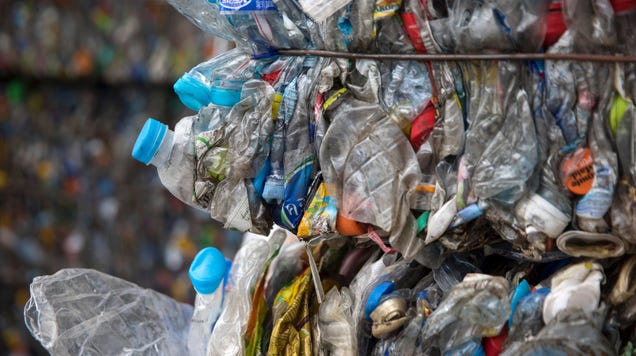
New plastic material can be recycled again and again

dims?crop=4871%2C3042%2C0%2C204&quality=We’re drowning in plastics. That’s why the world’s brightest minds are trying to find a way we can effectively deal with plastic waste and make sure we don’t add more in the coming years. Now, researchers from the US Department of Energy’s (DOE) Lawr…

Source: https://www.engadget.com/2019/05/07/pdk-plastic-circular-recyclable/
Droolin’ Dog sniffed out this story and shared it with you.
The Article Was Written/Published By:


! #Headlines, #Engadget, #environment, #Pollution, #Recycling, #TechNews, #TechnologyNews, #Newsfeed, #syndicated, news

Tuesday, April 23, 2019

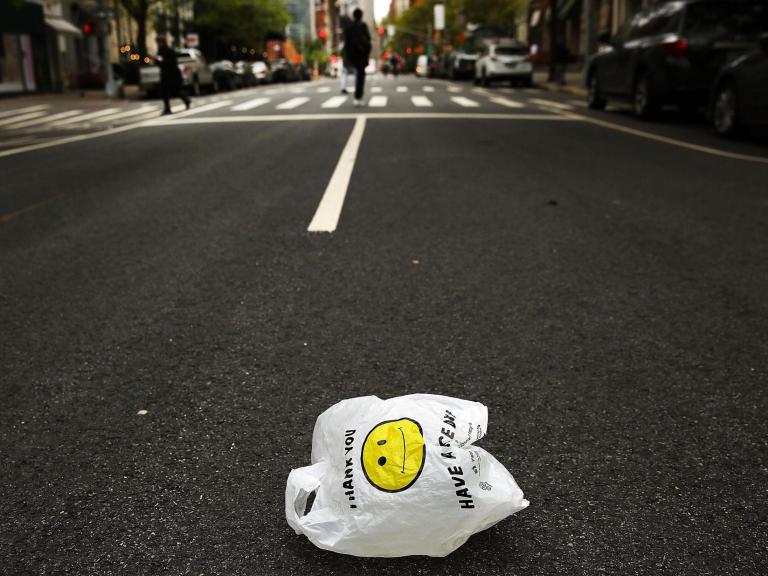
New York City shoppers to be charged for paper bags in environmental crackdown

plastic12.jpg

State lawmakers argued fee will impose financial burden on New Yorkers in poverty

Source: https://www.independent.co.uk/news/world/americas/new-york-paper-bag-cost-tax-plastic-environment-nyc-a8882551.html
Droolin’ Dog sniffed out this story and shared it with you.
The Article Was Written/Published By: Michael Gold


! #Headlines, #Conservation, #environment, #Government, #NewYork, #NYC, #politics, #Pollution, #Recycling, #Trending, #Newsfeed, #syndicated, news

Friday, April 19, 2019

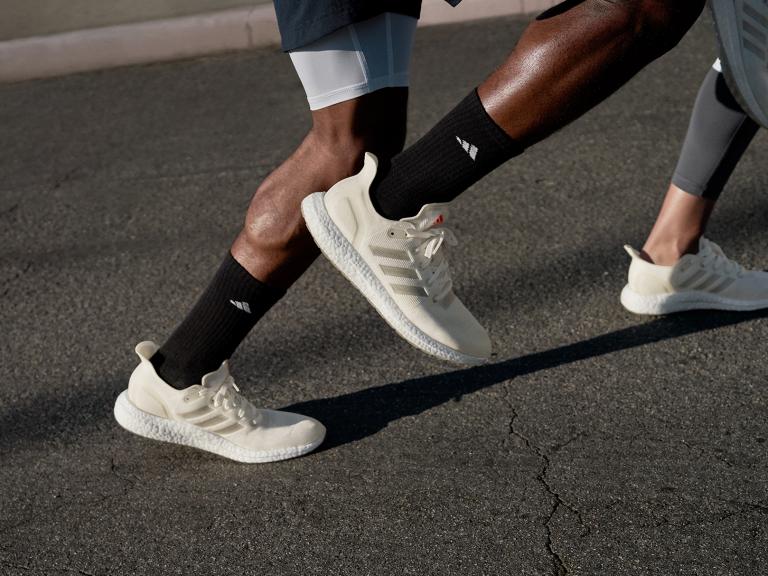
Adidas creates running trainer that is 100% recyclable

ss19-fc-loop-campaign-72dpi-0010-adidas-

‘The next step is to end the concept of waste entirely’

Source: https://www.independent.co.uk/life-style/fashion/adidas-running-trainer-recyclable-performance-environment-sustainable-fashion-a8878331.html
Droolin’ Dog sniffed out this story and shared it with you.
The Article Was Written/Published By: Sabrina Barr


! #Headlines, #Fashion, #Recycling, #Trending, #Newsfeed, #syndicated, news

Wednesday, April 17, 2019

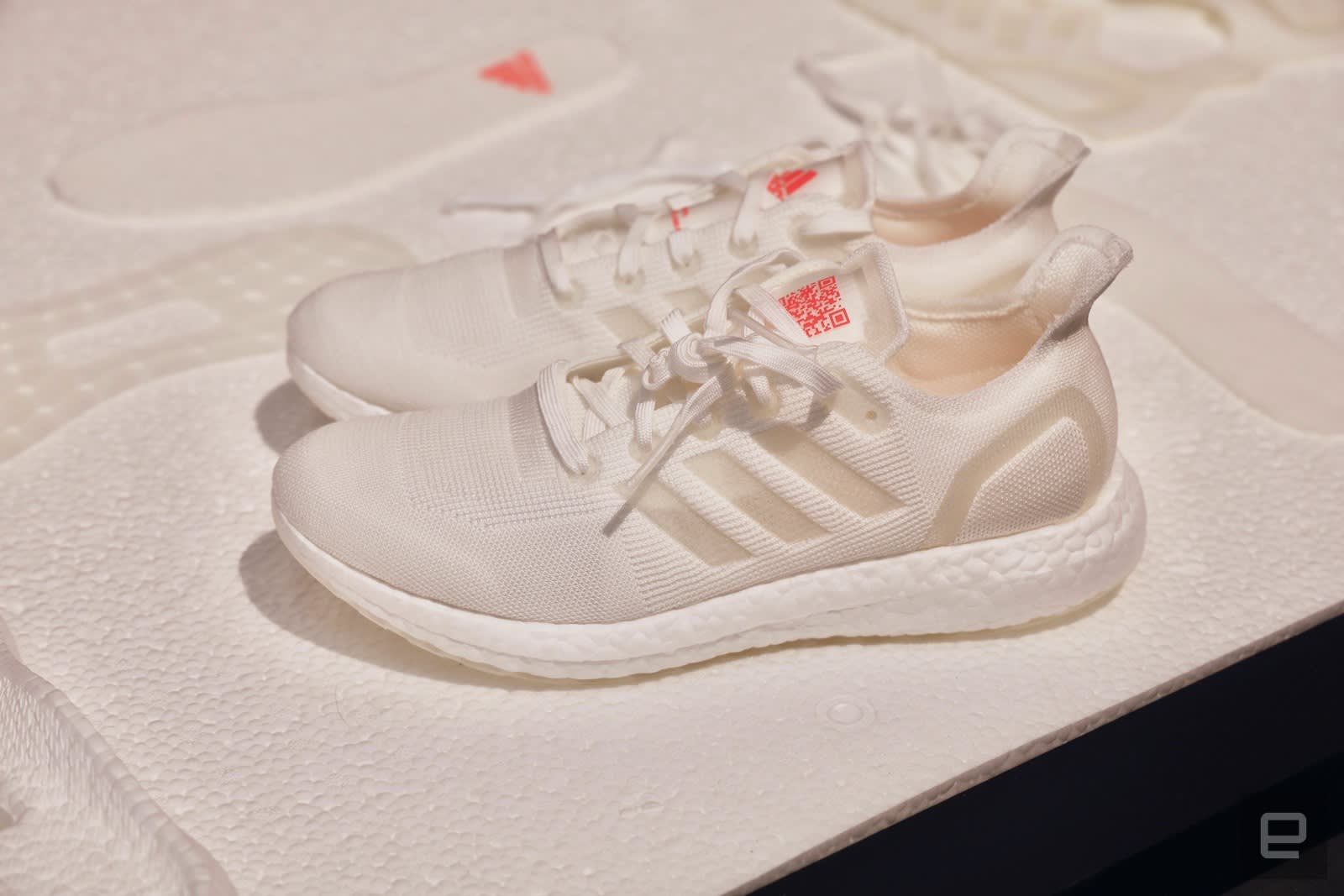
Adidas made a running shoe that’s fully recyclable

dims?crop=1600%2C1067%2C0%2C0&quality=85As part of its recent pledge to only use recycled plastics by 2024, Adidas has revealed a new running shoe that is made from 100 percent recyclable materials. The Futurecraft Loop was designed using nothing but thermoplastic polyurethane (TPU), a pla…

Source: https://www.engadget.com/2019/04/17/adidas-futurecraft-loop-recycled-running-shoes-sustainability-speedfactory/
Droolin’ Dog sniffed out this story and shared it with you.
The Article Was Written/Published By:


! #Headlines, #Conservation, #Engadget, #Fashion, #Pollution, #Recycling, #TechNews, #Newsfeed, #syndicated, news

Wednesday, March 27, 2019

Smashing aluminum cans makes them harder to recycle

TwitterFacebook

It is always a good idea to recycle or encourage others to do the same. But crushing an empty container could be a bad idea.  Read more…

More about Mashable Video, Environment, Recycling, Recycle, and Environmental Issue

Source: https://mashable.com/video/recycling-aluminum-cans/
Droolin’ Dog sniffed out this story and shared it with you.
The Article Was Written/Published By: Danica D’Souza


! #Headlines, #Mashable, #Recycling, #TechNews, #Newsfeed, #syndicated, news